Process & Practice

Introduction

Every project begins long before the camera is unpacked. Understanding the purpose of an assignment, the people involved and the environment I'll be working in allows me to prepare carefully while remaining flexible enough to respond when plans inevitably change.

Whether documenting a research project, photographing a wedding or covering a community event, preparation creates the confidence to work calmly and efficiently. My process has developed through experience, balancing planning with the ability to recognise opportunities as they naturally unfold.

While every assignment is different, the aim remains the same: to create photographs that are thoughtful, honest and genuinely useful to the people who commissioned them.
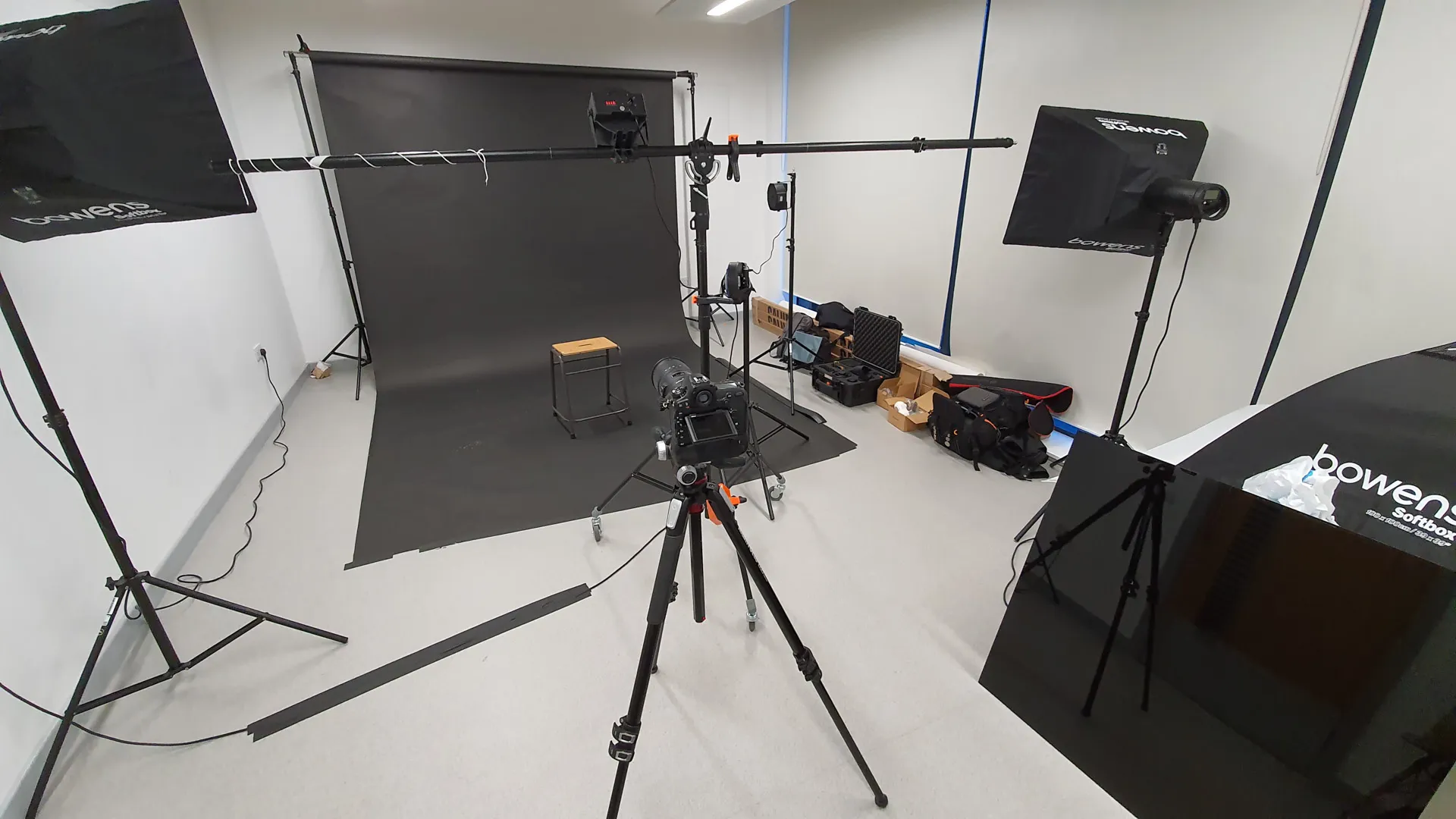
Preparation

Every successful assignment begins with preparation.

Before arriving on location, I take time to understand the purpose of the project, discuss expectations, review locations, consider lighting and identify any practical requirements that may influence the day. For larger projects this may also include schedules, permissions, access arrangements or contingency planning.

Good preparation is not about controlling every outcome. Instead, it creates the freedom to respond confidently when unexpected opportunities appear.

On Location

Once the assignment begins, preparation gives way to observation, communication and adaptability.

Every location presents different challenges. Weather changes, schedules shift, equipment needs adjusting and unexpected moments often become the strongest photographs of the day. Remaining calm allows me to adapt without disrupting the people or activities taking place.

Rather than directing every scene, I work alongside clients, organisers and participants, responding naturally to events as they happen while ensuring the objectives of the assignment are always met.

Working with People

Photography is ultimately about people.

Whether working with researchers, students, volunteers, couples or families, creating a relaxed and comfortable environment is just as important as choosing the right camera or lens. Every person responds differently to being photographed, and understanding how to communicate naturally helps create photographs that feel confident, genuine and unforced.

My aim is always to become part of the environment rather than interrupt it, allowing people to remain focused on what they are doing while I quietly document the moments that matter.

Technical Decisions

Every photograph is shaped by a series of small decisions.

Lens choice, camera position, lighting and timing all influence how an image is experienced. Some situations require careful planning, while others depend on responding instinctively to changing conditions.

These technical decisions are never made in isolation. They are guided by the subject, the environment and the purpose of the assignment, ensuring that the equipment supports the story rather than defining it.

Editing

Photography continues long after the shutter has been pressed.

Every assignment is carefully reviewed before the strongest images are selected and individually edited. My approach focuses on refinement rather than transformation, producing photographs that remain natural while presenting each subject at its best.

Consistency across the entire collection is equally important. Whether delivering a small portrait session or documenting a multi-day engineering project, every image forms part of a wider visual narrative.

Delivery & Archive

Once editing is complete, every gallery undergoes a final quality check before delivery.

Images are prepared for both digital viewing and print, ensuring colour, detail and consistency are maintained throughout the collection. Online galleries provide secure access for clients, while archived backups help protect the work long after the assignment has finished.

Careful organisation and reliable storage are an important part of my workflow, giving clients confidence that their photographs are managed with the same attention to detail as the assignment itself.

Ethics & Responsibility

Working with people carries responsibility.

Many of the environments I photograph involve students, researchers, volunteers, families or members of the public. Respecting privacy, working sensitively and understanding when not to photograph are just as important as knowing when to press the shutter.

I aim to work unobtrusively, allowing people to remain focused on their own activities while documenting events honestly and respectfully. Building trust is an important part of every assignment, particularly during long-term collaborations where relationships develop over time.

Photography should never become a distraction from the work or experiences taking place.

Continuous Learning

Photography is a profession built on continual learning.

New technology, different environments and every project present opportunities to improve both technically and creatively. Alongside commercial commissions, I continue to explore personal projects, experiment with new techniques and document subjects that challenge me to see differently.

This ongoing curiosity influences every assignment, helping me refine my approach while ensuring each project benefits from the experience gained through the last.

Working Together

Every project begins with a conversation.

Understanding your objectives, your audience and how the photographs will be used allows me to tailor both my approach and the final collection of images. Whether documenting scientific research, supporting a charity event or photographing a personal celebration, collaboration remains an important part of the process from beginning to end.

Careful preparation, thoughtful decision-making and a flexible approach allow me to work confidently across a wide range of environments while remaining focused on creating photographs that are both meaningful and enduring.