Cameras, Lenses & Tools

Tools of Observation

Introduction

The camera is only one part of the photographic process.

Every assignment presents a different challenge, whether documenting scientific research, photographing a community event or working in a controlled studio environment. The equipment I choose is never an end in itself, but a means of responding to those challenges with confidence and flexibility.

Rather than focusing on specifications or the latest technology, I see cameras, lenses and specialist equipment as creative tools. Each one offers a different way of observing the world, helping me adapt to changing environments while remaining focused on the people, stories and moments that matter most.
Choosing the Right Tool

Every photograph begins with a decision.

Before selecting a camera or lens, I consider the environment, the subject and the purpose of the assignment. A busy wedding, a research laboratory and a rocket launch all require different approaches, not only in how they are photographed, but in the equipment needed to work effectively within them.

The aim is never to use the most equipment, but to choose the simplest and most appropriate solution for the story being told.

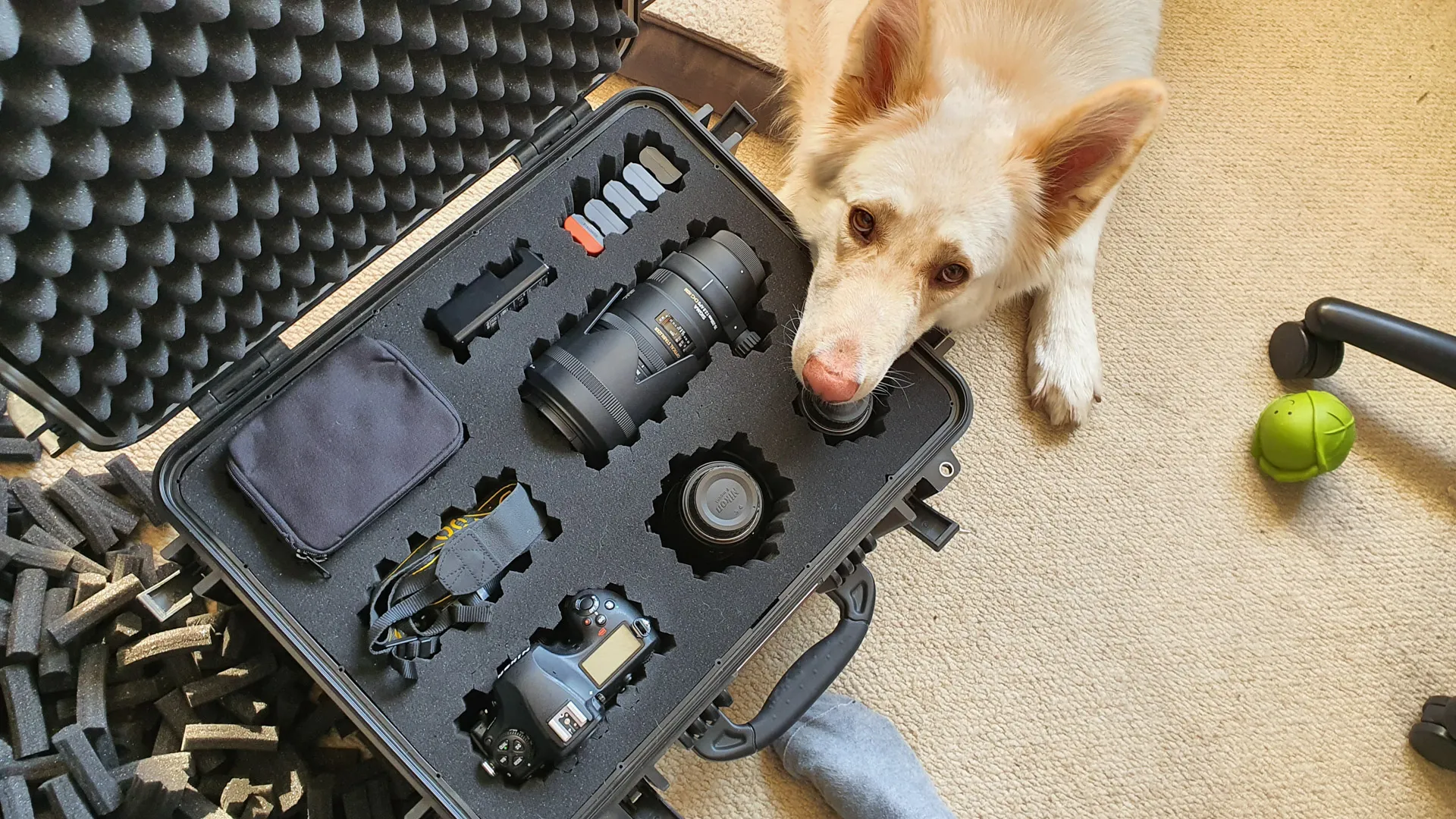
Suggested image: Your camera bag laid out before an assignment.

Current Camera System

Nikon D850

The Nikon D850 remains my primary camera and the foundation of my photographic work. Chosen for its exceptional image quality, dynamic range and reliability, it provides the flexibility to move confidently between documentary, commercial and editorial assignments without compromise.

Its high-resolution sensor allows me to capture intricate detail in engineering environments, scientific equipment and landscapes, while retaining the ability to crop when photographing distant subjects such as rocket launches or wildlife. At the same time, it delivers the colour, tonal range and responsiveness needed for portraits, weddings, fashion and community events.

Rather than being dedicated to a single genre, the D850 allows me to adapt to a wide variety of subjects while maintaining a consistent documentary approach.

Seeing Through Different Lenses

Every lens changes the relationship between the photographer and the subject.

Wide-angle lenses help place people within their surroundings, revealing the environments in which they work and interact. Standard focal lengths offer a natural perspective for documentary photography, while telephoto lenses allow genuine moments to unfold without interruption, creating photographs that feel honest and unforced.

Rather than thinking about focal lengths alone, I think about perspective. Each lens offers a different way of interpreting a scene, allowing the viewer to experience it from a particular point of view.

Suggested image: A comparison of wide, standard and telephoto photographs from the same location.

Image
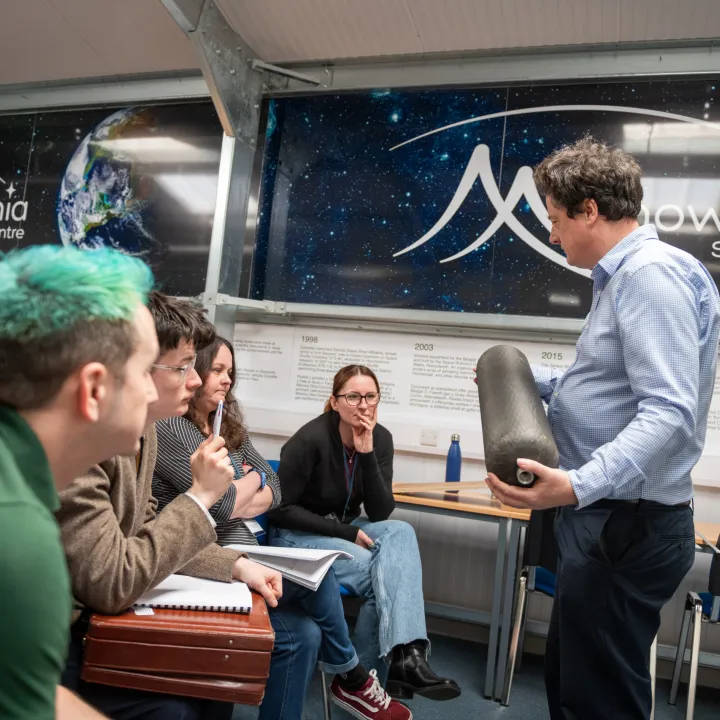
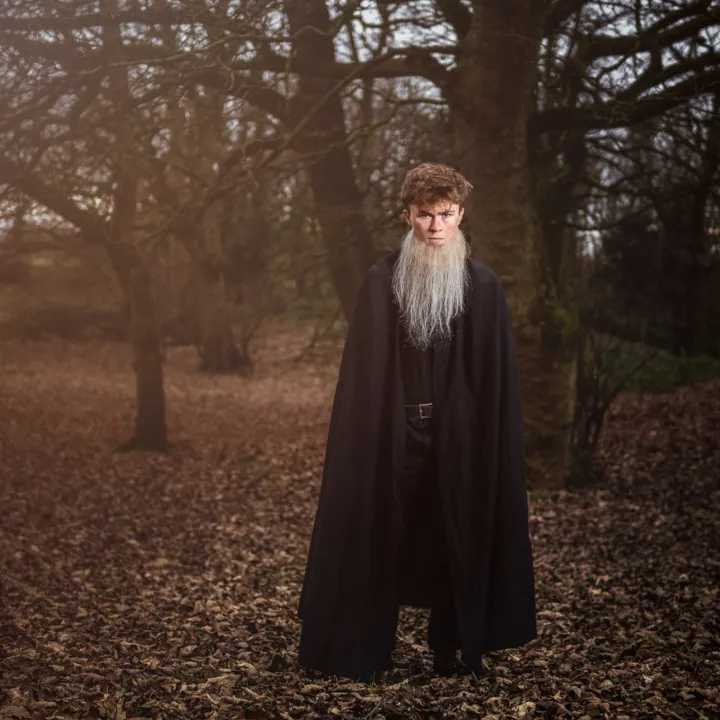
Monk walking the woods

Lenses & Optics

Every lens offers a different way of seeing the world. Rather than choosing lenses based on technical specifications alone, I select them for the perspective they provide and the way they support the story I am documenting.

Sigma 85mm f/1.4 Art

The Sigma 85mm f/1.4 DG HSM Art is one of my favourite lenses for portraits, weddings and editorial photography. Its focal length creates natural perspective and gentle subject separation, allowing people to remain the focus without feeling disconnected from their surroundings.

It encourages a slower, more considered way of working and is often my first choice when creating portraits with a calm and intimate feel.

Image
Satellite training

Nikon 24–70mm f/2.8

If one lens spends the most time on my camera, it is the Nikon AF-S NIKKOR 24-70mm f/2.8.

Its versatility makes it ideal for documentary photography, conferences, outreach projects and weddings, allowing me to move quickly between environmental scenes, portraits and candid moments without interrupting the flow of an event.

For assignments where every moment matters, this is usually the lens I rely on most.

Image
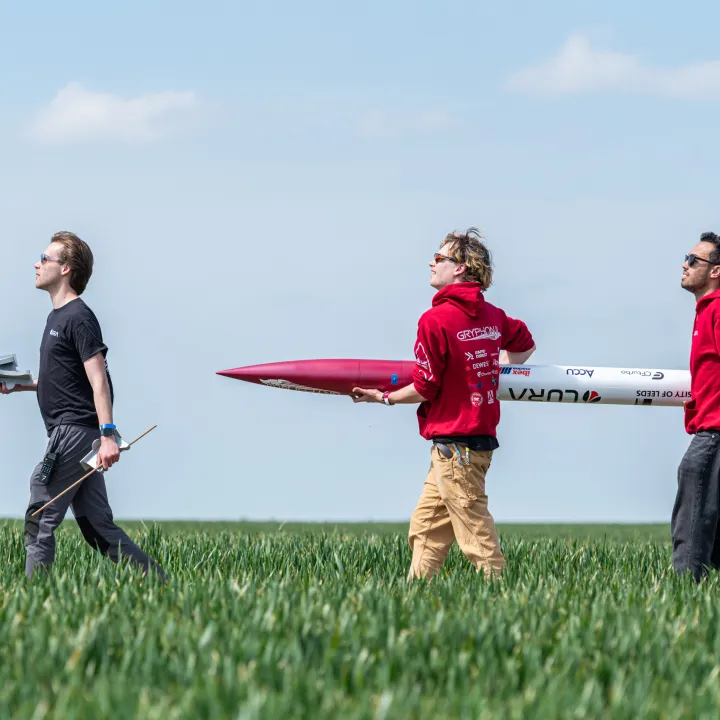
Lura alking rocket to the launch platform

Nikon 70–200mm f/2.8

The Nikon AF-S NIKKOR 70-200mm f/2.8 allows me to observe from a distance while remaining unobtrusive.

Whether photographing ceremonies, keynote speakers, scientific demonstrations or rocket launches, it enables genuine moments to unfold naturally without the presence of the camera influencing the scene.

Its ability to isolate details also makes it invaluable when documenting engineering components and technical processes.

Image
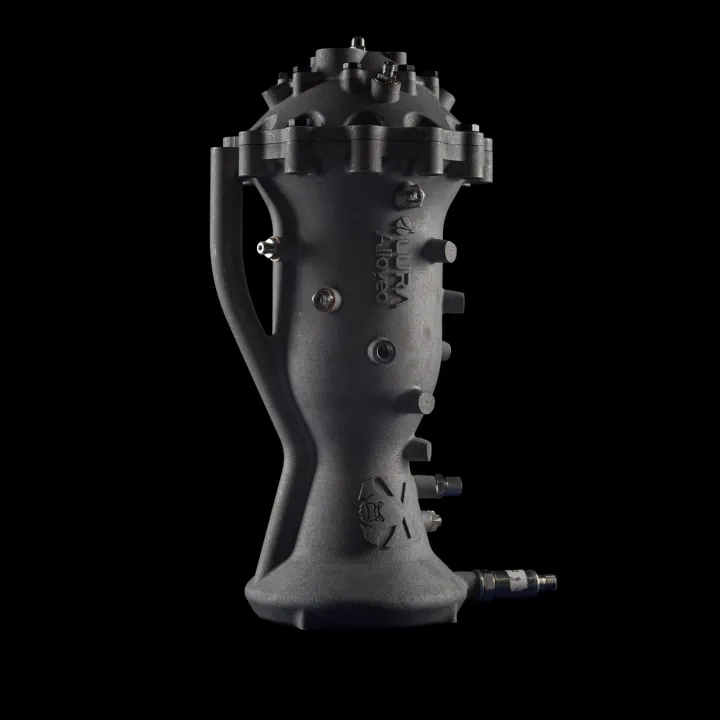
Motor

Industrial Optics

Alongside conventional photographic lenses, I have explored the use of industrial optics, including precision lenses from Edmund Optics.

Originally designed for machine vision and scientific imaging, these lenses prioritise optical accuracy, flatness of field and consistent sharpness across the frame rather than artistic rendering. Exploring these systems has broadened my understanding of imaging technology and strengthened my interest in the relationship between engineering and photography.

While they are specialist tools, they offer a fascinating perspective on how different optical designs influence the final image.

Working with Light

Light influences every photograph.

Whenever possible, I prefer to work with available light, preserving the atmosphere and character of a place. Whether photographing inside a laboratory, outdoors at a community event or during an evening reception, understanding how light behaves allows me to respond naturally rather than forcing a scene to fit a preconceived idea.

When additional lighting is needed, it is introduced carefully to support rather than dominate the image. The objective is always the same: photographs that feel authentic while remaining visually engaging.

Suggested image: Studio portrait alongside an available-light documentary photograph.

Lighting & Studio Equipment

Light shapes every photograph.

My studio lighting is designed to be adaptable, allowing me to create everything from clean commercial portraits to softer, more natural-looking images for families, pets and editorial work. Rather than dramatic effects, I aim for lighting that complements the subject and enhances the atmosphere of the photograph.

My primary lighting kit includes:

  • 2 × Westcott FJ400 battery-powered strobes
  • Westcott FJ80 speedlight
  • 120cm softbox
  • Dual strip box setup
  • A range of portable modifiers and light stands
  • Battery-powered location lighting for on-site assignments

For portraits and fashion photography, I often combine a large softbox with strip lighting to create soft, directional illumination with gentle contrast and controlled highlights. For pet and family sessions, the setup is usually simplified to create a relaxed environment where people and animals can interact naturally without feeling overwhelmed by equipment.

The equipment itself is only part of the process. Its purpose is to provide consistent, dependable lighting while allowing the attention to remain where it belongs—on the people in front of the camera.

Post-Processing & Workflow

Photography doesn't end when the camera is put away.

Every assignment is carefully reviewed, with images selected, organised and edited to create a consistent visual narrative. My approach to post-processing is centred on refinement rather than transformation, enhancing colour, contrast and detail while preserving the authenticity of the original moment.

Rather than following short-lived editing trends, I aim for a natural, timeless style that allows the subject to remain the focus. The objective is not to create a different reality, but to present each photograph as faithfully and thoughtfully as possible.

My Workflow

Every project follows a structured workflow designed to protect your images while maintaining consistency from capture to delivery.

  • Multiple backups immediately after every assignment.
  • Careful image selection and culling.
  • Individual colour and exposure adjustments.
  • Consistent editing across the complete collection.
  • Final quality checks before delivery.
  • Secure online gallery and archival storage.

This process ensures that every image receives the same attention to detail, whether it is part of a wedding, a scientific research project or a community event.

A Consistent Style

My editing philosophy remains the same across every genre.

Whether documenting a laboratory, photographing a wedding or creating a studio portrait, the aim is to produce photographs that feel authentic, balanced and enduring. Colours are carefully refined, distractions removed where appropriate and every image prepared with both digital viewing and print in mind.

The result is a collection of photographs that remain true to the experience while presenting it at its best.

Editing Principles

  • Preserve authentic colours.
  • Enhance rather than replace reality.
  • Remove temporary distractions where appropriate.
  • Maintain consistency across the whole gallery.
  • Prepare every image for both print and digital viewing.

That tells clients exactly what to expect.

Images

This section would look great with:

  • Lightroom catalogue open on your monitor.
  • Before/after split (subtle, not over-edited).
  • Colour grading panel.
  • Photoshop with layers visible.
  • Contact sheet of selected images.
  • Your editing desk with monitors and graphics tablet (if you use one).

Software

My post-production workflow includes industry-standard software that supports both technical accuracy and creative flexibility.

  • Adobe Lightroom Classic
  • Adobe Photoshop
  • Topaz Photo AI (if applicable)

Each application has a specific role, from RAW processing and colour management to detailed retouching and image preparation for print.

Adapting to Every Environment

No two assignments are ever the same.

One day may involve working quietly inside a research facility, the next photographing a charity event in changing weather, or documenting a rocket launch from several hundred metres away. Each environment presents different practical and creative challenges, requiring flexibility as much as preparation.

Carrying the right equipment means being ready to adapt while allowing the focus to remain on the story rather than the technology.

Beyond the Equipment

The most valuable tool a photographer carries is not a camera.

Observation, patience, curiosity and experience influence a photograph far more than any specification sheet. Cameras and lenses simply provide different ways of translating those qualities into images.

Technology continues to evolve, but the principles of documentary photography remain unchanged. Understanding people, anticipating moments and responding thoughtfully to the world around us will always matter more than the equipment itself.

Suggested image: A quiet documentary image of you working rather than a photograph of the equipment.

Working Together

Every project has different technical and creative requirements. By understanding the purpose of an assignment before choosing the equipment, I can work efficiently across a wide range of environments while remaining focused on what matters most: creating photographs that are honest, engaging and useful.

Whether documenting research, engineering, community projects, weddings or commercial work, the tools are chosen to support the story, never to define it.